
Forgiveness, Shame, and the Limits of Revenge
Crow GirlThis thread follows the struggle to distinguish accountability from retaliation, showing how shame keeps harm alive while understanding may open a way forward without requiring easy forgiveness.
increasing Bearing strength in each event
 decreasing
Bearing strength in each eventdecreasingShame Makes Silence Feel Safer
The Burden of Being Blamed
Shame assigned to the victim
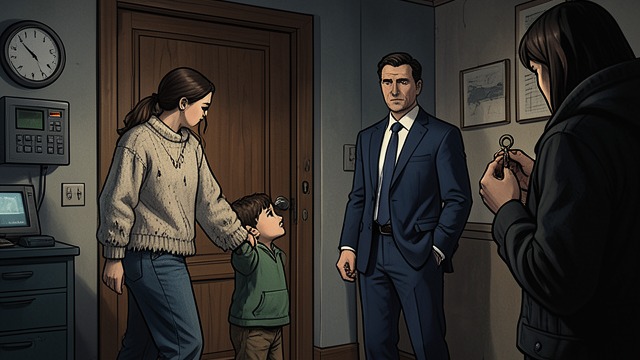
Victoria absorbs the belief that she is dirty, guilty, and responsible for the abuse inflicted on her. The adults around her maintain ordinary appearances, while her body carries injuries and memories that she cannot safely discuss.
Her shame is reinforced by the surrounding silence. When those with power refuse to name what is happening, the child can mistake secrecy for evidence that she has done something wrong.
The false comfort of guilt
In adulthood, shame continues to offer a distorted kind of safety: if Victoria blames herself, she can pretend the events are explainable and perhaps controllable. That is less frightening than recognizing how completely adults failed her.
The novel treats shame as both injury and defense. It can conceal the perpetrator’s responsibility, but understanding that mechanism does not instantly remove its force or restore what the child lost.
The Demand to Forgive

Forgiveness Is Not a Shortcut
A moral demand under pressure
The characters repeatedly encounter the expectation that victims should forgive, reconcile, or move on. That demand can make forgiveness seem less like a free choice and more like another obligation placed on the person who was harmed.
Victoria’s experience challenges easy moral language. She has tried to survive by hating those who hurt her, while Sofia’s therapeutic work asks how a person might understand what happened without pretending it was acceptable.
Understanding without absolution
The book draws a careful distinction between understanding a causal chain and excusing its actions. A victim may understand how an adult became abusive without forgiving that adult, and may recognize her own harmful acts without denying the abuse that shaped her.
This distinction matters because simple moral oppositions can recreate the same trap: either condemn without understanding or understand only by absolving. The novel argues for a harder position in which responsibility and context remain visible together.
Revenge Promises Cleansing
Retribution as a Substitute for Justice
The logic of revenge
Madeleine Silfverberg believes that killing the adults associated with her abuse will restore dignity and bring the past to an end. Revenge gives her a plan and a sense of control where childhood gave her neither.
Each act is also shaped by the failures that came before it. Her story makes clear why retaliation can feel morally necessary to someone denied recognition, while showing that the act of revenge cannot recreate a childhood that was taken away.
The aftermath remains
Even after several targets are dead, Madeleine finds no simple peace. The desire to punish has become a structure for living, and the end of one target immediately raises the question of what she will do next.
The novel neither romanticizes revenge nor treats it as an inexplicable evil. It presents retaliation as a response to genuine wrongdoing that can become its own destructive force, especially when legal and familial institutions have failed to provide justice.
The Moment of Restraint

A Choice Against the Pattern
Recognition at last
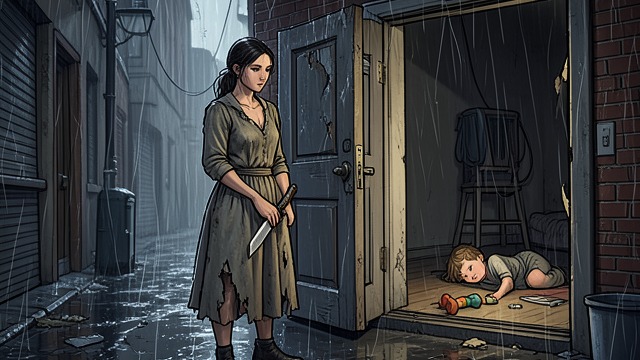
Madeleine reaches Victoria with a weapon and the apparent opportunity to complete a long pursuit of revenge. But seeing her biological mother as a living, damaged person—not merely as an emblem of the past—opens a different emotional possibility.
The moment does not give Madeleine a shared history with Victoria. Instead it exposes what both women lost: the chance to know one another before abuse, separation, and adult decisions made their lives strangers to each other.
Leaving the cycle unfinished
Madeleine lowers her grip on the weapon and does not kill Victoria. The choice cannot undo her earlier murders, and it does not make forgiveness inevitable, but it interrupts the expectation that violence must be answered by further violence.
Her departure is a limited, costly act of restraint rather than a triumphant resolution. She leaves with sorrow and unresolved history, but the refusal to kill gives her one possibility that revenge itself could never provide: a future not dictated entirely by the people who hurt her.
A Fragile Opening to Release

Letting Go Without Erasing
A constructed past comes apart
As Victoria reconstructs her history, she learns that some memories she treated as facts were imagined, displaced, or assembled from fragments. Recognizing that her former partner is alive loosens one guilt-laden story, but it also forces her to question how much of her perceived life is reliable.
The revelation does not mean that all suffering was imagined. Her abuse, her separation from Madeleine, and the harm she caused remain real; what changes is her ability to distinguish evidence from a narrative built to endure unbearable feelings.
The choice to move forward
Victoria destroys her concealed archive and leaves Stockholm, no longer trying to preserve every fragment as an external authority over her identity. She decides that the next part of life will belong to her rather than to the names and inner roles that once carried her pain.
The ending offers release as a choice, not a guarantee of peace. Victoria can stop living inside the old archive, but she cannot recover the years she lost or make all relationships whole. The possibility of a future rests on accepting uncertainty without letting it dictate every action.
During Victoria’s adolescence, before she leaves for Denmark
During Victoria’s adult therapy and the later investigation
As Madeleine pursues those connected to her childhood
Late in the story, on the steps at Klippgatan
Near the ending, as Victoria chooses to abandon her Stockholm life
